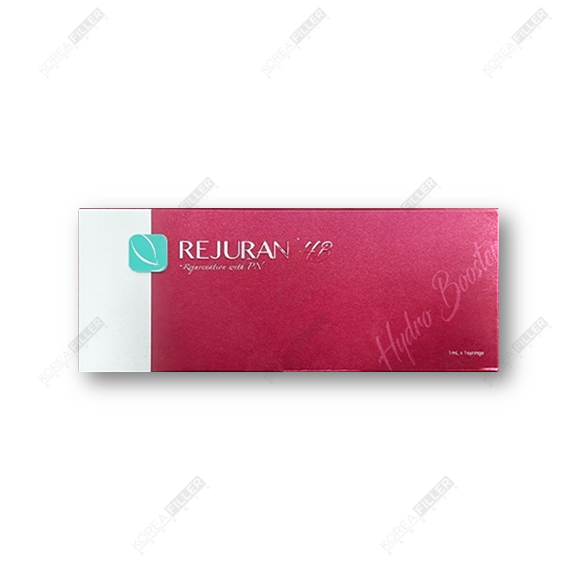
Rejuran HB
Polynucleotide (PN) with hyaluronic acid and lidocaine · 1 cc vial · PharmaResearch, South Korea. The comfortable entry point to the Rejuran line.
$103.90
Rejuran HB combines PDRN with hyaluronic acid and built-in lidocaine, pairing immediate hydration with regenerative benefits in a more comfortable injection — a common starting point for first-time PDRN patients.
- Sourced through licensed Korean distribution channels
- Temperature-controlled handling from our facility to your door
- Batch number and expiry visible before dispatch
- Practitioner support from our team
Professional use only. This product is intended for administration by licensed healthcare practitioners trained in the relevant anatomy and injection technique. By ordering you confirm you are authorised to purchase and handle products of this class in your jurisdiction. Availability and permitted use vary by country — please verify local regulations before ordering.
Did you like this product? Add to favorites now and follow the product.

(+82) 10 7364 7998 Send a message on WhatsApp.
PN and hyaluronic acid in one syringe, with lidocaine built in
Rejuran HB is the hybrid formula in PharmaResearch’s Rejuran range: salmon-derived polynucleotide combined with hyaluronic acid, and lidocaine included in the formulation rather than mixed in at the chairside.
That combination does two different things at once. The hyaluronic acid draws water into the dermis immediately, so there is a visible hydration effect in the first days. The polynucleotide works on a slower timescale, supporting fibroblast activity and collagen synthesis over the weeks that follow. A patient sees something quickly and keeps improving — which is why HB is so often the first Rejuran a clinic offers a new patient.
The lidocaine matters more than it sounds. Polynucleotide injections in the standard line are genuinely uncomfortable, and that discomfort is the most common reason patients decline a second session. Building the anaesthetic into the formula removes the main obstacle to completing a course.
HA hydrates within days; PN supports collagen synthesis over the following weeks. Two timescales in one injection.
Markedly more comfortable than the standard line — the usual reason patients complete a full course rather than stopping at one.
Purified DNA fragments from salmon, the same active platform across the Rejuran range.
Most clinics introduce new patients to PN through HB before moving to Healer, I or S as indicated.
Why practitioners choose Rejuran HB
PN treatment works over three to four sessions. The built-in lidocaine is the single biggest factor in a patient returning for session two, which is where most of the result comes from.
The HA component gives a hydration change in the first days, which buys patience for the slower collagen response. Pure PN formulas offer nothing to see for weeks.
No chairside combining of a booster with separate anaesthetic — less preparation, less contamination risk, consistent concentration every time.
PharmaResearch is the company that established PN skin boosters as a treatment category, and Rejuran remains its reference line.
Treatment areas and indications
Areas commonly treated with PN and HA skin boosters. Permitted indications vary by market — work from the manufacturer’s instructions for use and the regulations where you practise.
The standard application: improving hydration, texture and firmness across the face as a whole, rather than targeting one feature. HB’s HA component makes the early sessions more rewarding for the patient.
Not an anatomical indication, but the clearest reason to stock HB. Comfort is the main determinant of whether a patient completes a course, and course completion is where the result comes from.
Where the primary complaint is loss of glow and surface quality. The HA addresses this immediately while the PN works on the underlying dermis.
Thin skin that shows ageing early and responds well to improved dermal hydration and density. Technique differs from the face — the area is less forgiving of superficial placement.
Skin boosters are injectable medical products. Which indications are permitted, and what training is required, is determined by the regulatory framework where you practise. Korea Filler Experts supplies the product; nothing here is a recommendation to treat any medical condition, and nothing here substitutes for manufacturer training.
What is inside Rejuran HB
| Active | Polynucleotide (PN), salmon-derived |
| Second active | Hyaluronic acid |
| Anaesthetic | Lidocaine, included in the formulation |
| Presentation | 1 cc vial |
| Typical course | 3–4 sessions, 2–4 weeks apart |
| Review interval | Commonly 6–12 months after a completed course |
| Route | Intradermal / superficial subdermal injection |
| Manufacturer | PharmaResearch, South Korea |
| SKU | 08031 |
Before you order
- Lidocaine changes the regulatory picture. A product containing a local anaesthetic is classified differently from a plain booster in several markets. Confirm what you are permitted to purchase and administer where you practise.
- Check the lot number and expiry on the carton against the vial.
- We do not dispatch stock with under 6 months of shelf life remaining unless agreed in advance.
- Store as stated on the carton. Do not freeze, and protect from light.
Tiered pricing applies from 5 units. See the volume table on this page.
What each component does
PN or PDRN? The honest answer
You will see both terms used for this category, often interchangeably, and the distinction is worth understanding because supplier marketing frequently misrepresents it.
- PDRN — polydeoxyribonucleotide. Generally the shorter-chain, lower-molecular-weight form.
- PN — polynucleotide. Generally the longer-chain, higher-molecular-weight form, producing a more viscous and more structured solution.
Both are purified DNA polymers from salmon or trout. A 2025 review proposed a 1500 kDa boundary between the two, but that is a proposed naming convention, not a regulatory standard, and published molecular weight ranges for both overlap considerably.
Rejuran is marketed as a polynucleotide product. You will see our own listings and much of the market use “PDRN” for it, which reflects how the category is commonly described rather than a precise molecular classification.
On the claim that PN is more potent than PDRN: we have not found a controlled head-to-head study supporting it. Some dermatology literature points the other way, noting better biological activity from lower-molecular-weight fragments. Anyone presenting that comparison as settled should be asked for the citation.
What each component does
- Polynucleotide — supports fibroblast activity and collagen synthesis. The working mechanism is understood to involve adenosine A2A receptor signalling and a scaffold effect in the dermis. This is the slow component, working over weeks.
- Hyaluronic acid — binds water in the dermis for an immediate hydration and plumping effect. This is the fast component, visible within days.
- Lidocaine — local anaesthetic, included so the injection is tolerable without separate blocks.
How to use Rejuran HB
Reference information for licensed practitioners. Technique, depth and dose must follow the manufacturer’s instructions for use and the regulations applying where you practise.
Step by step
-
Confirm the formula
HB contains lidocaine. Check for a history of amide local anaesthetic sensitivity before proceeding, and note it is not interchangeable with the lidocaine-free Rejuran formulas.
-
Cleanse thoroughly
Standard antisepsis. Remove make-up and cleanse the full treatment area — you will be creating many entry points.
-
Allow topical anaesthetic if used
The built-in lidocaine helps considerably, but topical anaesthetic beforehand is still common practice for the full-face technique.
-
Inject into the correct plane
PN boosters are placed intradermally or in the superficial subdermal plane. Too deep and the product is wasted; too superficial and papules are more visible and persist longer.
-
Space the injection points evenly
Delivery is by multiple small aliquots across the area rather than bolus placement. Even spacing determines how uniform the result looks.
-
Advise on papules
Small raised papules at each point are normal and typically settle within 24 to 72 hours. The HA content in HB tends to make them softer than with the pure PN formulas — but tell the patient before, not after.
Administration notes
A course, not a treatment. This is the most important thing to communicate at consultation. PN skin boosters work cumulatively over three to four sessions spaced two to four weeks apart. The “6 to 12 months” figure that circulates refers to how long results tend to hold after a completed course — not to what one 1 cc vial achieves.
A patient who books one session expecting a year of results will be disappointed, and will blame the product rather than the explanation. Setting out the course structure and the cost of it up front is what makes this treatment work commercially.
- Single use. One vial, one patient. Discard any remainder.
- Do not use in patients with a history of amide local anaesthetic hypersensitivity, given the lidocaine content.
- Avoid treating over active infection, inflamed skin or active acne lesions.
- Dispose of needles into a sharps container per local clinical waste requirements.
After treatment
- Papules at injection points are expected and usually settle within 24 to 72 hours
- Mild redness, swelling and pinpoint bruising are common for one to three days
- No make-up for 12 hours; keep the area clean
- Avoid saunas, steam rooms, swimming and strenuous exercise for 48 hours
- Avoid active skincare — retinoids, acids, vitamin C — for several days
- Sun protection, and no sunbeds, while the skin settles
- Book the next session in the course before the patient leaves
Storing and handling Rejuran HB
Store as stated on the carton and in the manufacturer’s insert, protected from light. Do not freeze. Freezing damages both the polynucleotide structure and the HA component.
Allow the vial to reach room temperature before injecting — cold product is more viscous, harder to deliver evenly and more uncomfortable for the patient.
Single patient, single session. Do not retain an opened vial for another appointment; there is no preservative system intended to support that.
Do not use if the solution is discoloured or contains visible particles, if the expiry date has passed, or if the packaging seal is broken. Dispose of unused product and used vials as clinical waste in line with local requirements.
What's included with Rejuran HB
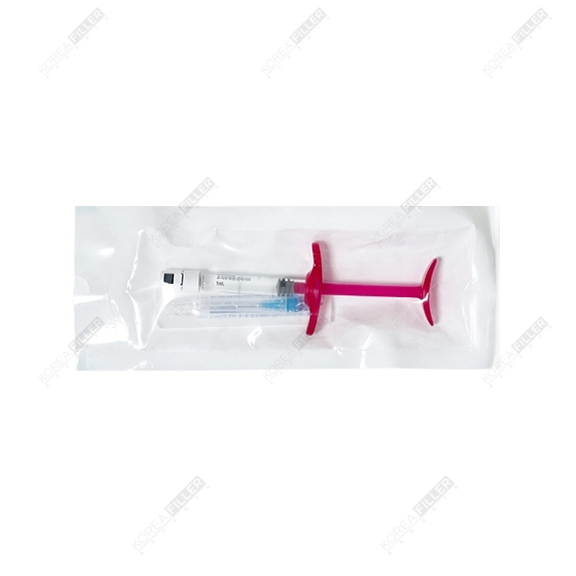
Needles, syringes and topical anaesthetic are not supplied. Plan a full course when ordering — three to four vials per patient is the usual protocol, and our volume pricing starts at five.
Rejuran HB — frequently asked questions
What is Rejuran HB?
A skin booster from PharmaResearch combining salmon-derived polynucleotide with hyaluronic acid and lidocaine in a 1 cc vial. It is injected intradermally across the treatment area by a licensed practitioner.
How does HB differ from the other Rejuran formulas?
HB is the only one combining PN with hyaluronic acid and lidocaine in a single formula.
Rejuran Healer and Black Healer are pure PN at different concentrations. Rejuran I is a lower-viscosity formula for the eye area. Rejuran S is the highest concentration, for scars. Skinbooster adds HA and amino acids but no lidocaine.
HB is the comfortable, hydration-plus-regeneration option, which is why it is usually where a new patient starts.
Is Rejuran PN or PDRN?
Rejuran is marketed as a polynucleotide product. Both terms describe purified DNA polymers from salmon or trout, and they are used interchangeably across most of the market — including in our own listings.
The technical distinction is molecular weight: PDRN is generally shorter-chain, PN longer. A 2025 review proposed a 1500 kDa boundary, but that is a naming convention rather than a regulatory standard, and published ranges overlap.
Is PN more effective than PDRN?
We have not found a controlled head-to-head study showing that, and we would rather say so than repeat the comparison table that circulates in this market.
Some dermatology literature actually points the other way, reporting better biological activity from lower-molecular-weight fragments. The honest position is that the question is unsettled.
How long do results last?
The figure usually quoted is six to twelve months — but that refers to results holding after a **completed course** of three to four sessions, not after a single vial.
This distinction matters commercially. A patient who books one session expecting a year of results will be dissatisfied, so set out the course structure at consultation.
How many vials does a patient need?
A standard full-face course is typically three to four sessions spaced two to four weeks apart, with one vial per session. Plan your ordering around complete courses rather than individual vials.
Will the patient see papules?
Yes — small raised bumps at each injection point are normal and expected with PN boosters. They typically settle within 24 to 72 hours.
The HA content in HB tends to make them softer and less noticeable than with the pure PN formulas, but they still occur. Tell the patient beforehand.
Does the lidocaine affect what I can order?
Possibly. A product containing a local anaesthetic is classified differently from a plain skin booster in several markets, and may be subject to additional restrictions.
Confirm what you are permitted to purchase and administer where you practise before ordering. Also screen patients for amide local anaesthetic sensitivity.
Can it be used with other treatments?
PN boosters are commonly combined with botulinum toxin and with dermal fillers in a treatment plan, usually at separate appointments rather than the same session. Sequencing is a clinical decision — follow the manufacturer’s guidance and your own protocols.
Who can buy and use this product?
Injectable skin boosters are for administration by licensed healthcare practitioners trained in the relevant technique. We supply to professionals qualified to purchase and administer products of this class in their jurisdiction, and do not sell to consumers.
Customer Reviews
Share your experience with this product. Your honest review helps other customers make better choices.
- Sort By
- Newest
- Oldest
- Highest Rating
- Lowest Rating
Really glad this version was available. The added lidocaine was an important factor in our decision.
The product selection was exactly what I needed. Ordering was quick and straightforward.
The lidocaine-containing formula was one of the reasons I chose this version.
I've tried a few options in this category, and this one really stood out to me.
A little pricey, but I liked having this option available. Would consider another purchase.
A little outside my usual budget, but the product itself made a great first impression.
My skin feels smoother and looks healthier.
My skin looks healthier. Really like the result.
I wanted to focus on overall skin condition. The treatment required patience, but my skin looked smoother and healthier afterward.
The first few days definitely weren't when I was judging the result. Once my skin recovered and some time passed, it started looking smoother and much less tired.

Copyright 2026 © Korea Filler Experts. All right reserved.
