Ami Eyes
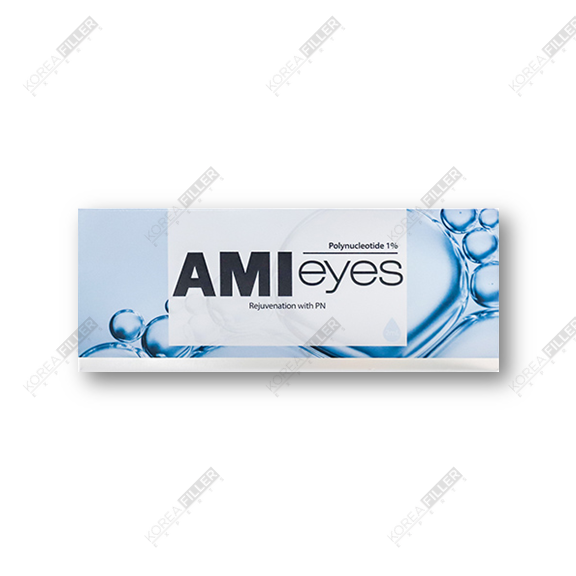
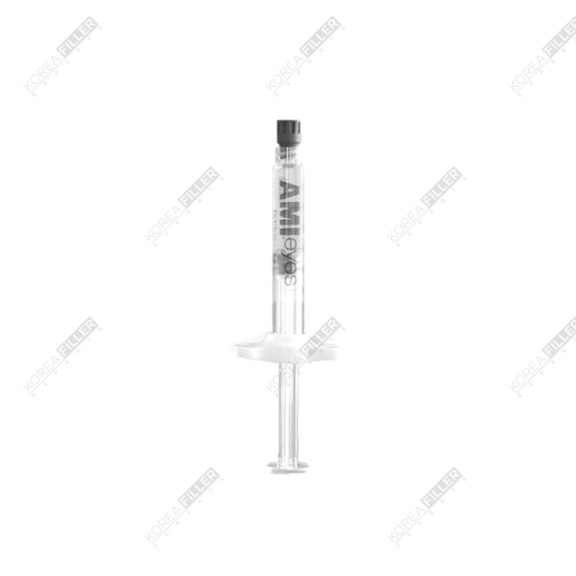
Salmon-derived polynucleotide (PN) for the under-eye area · 1 × 2 mL prefilled syringe · Korean-made. Periorbital skin booster for hydration and texture.
$44.90
- Ami Eyes is a Korean-made skin booster with salmon-derived polynucleotide for the under-eye area, in a 2 mL prefilled syringe.
Professional use only. This product is intended for administration by licensed healthcare practitioners trained in the relevant anatomy and injection technique. By ordering you confirm you are authorised to purchase and handle products of this class in your jurisdiction. Availability and permitted use vary by country — please verify local regulations before ordering.
Did you like this product? Add to favorites now and follow the product.

(+82) 10 7364 7998 Send a message on WhatsApp.
Ami Eyes: a polynucleotide skin booster for the eye area
Ami Eyes is a Korean-made injectable skin booster for the thin, delicate skin around the eyes. Its main active is purified salmon-derived polynucleotide (PN/PDRN), supplied as a 2 mL prefilled syringe. Distributor listings give the PN concentration as 1% (10 mg/mL). Some listings quote other figures, so check the carton.
Polynucleotide boosters are used to improve skin quality and hydration. Applied to the periorbital area, the aim is a smoother, better-hydrated look to thin, crepey skin without adding the volume of a filler.
Be clear about what dark circles are before you treat them. Pigmented, vascular and structural dark circles have different causes, and a skin-quality treatment helps mainly with the vascular show-through that comes from thin, translucent skin. The Composition section sets out how to tell them apart.
Purified DNA fragments from salmon, the active ingredient used across the polynucleotide booster category.
Used for hydration and texture. It does not fill hollows the way a filler does.
Distributor guidance describes placement in small deposits at 6 to 10 points under each eye.
Dark circles have several causes. A skin-quality product helps with only some of them.
Why practitioners stock Ami Eyes
Supplied as a 2 mL syringe sized for the periorbital area, with distributor guidance that matches the treatment pattern.
A practical way to add a polynucleotide eye treatment to a clinic’s menu.
Clinics often pair it with hyaluronic-acid boosters, toxin or tear-trough filler at separate appointments.
Volume pricing applies from 5 units for clinics running multi-session courses.
Treatment areas and indications
Concerns where periorbital polynucleotide boosters are used. All are skin-quality indications.
Fine crinkled texture in thin lower-lid skin. The most reliable indication for a booster in this area.
Blue-purple show-through of vessels through translucent skin, where improved skin density can reduce translucency.
A dull, dehydrated periorbital area, where hydration and texture are the aim.
Skin quality around the outer eye. Lines that appear only on animation are a toxin question.
Ami Eyes is an injectable product. Which indications are permitted, how it is classified and what training is required are set by the regulatory framework where you practise. Korea Filler Experts supplies the product. Nothing here is a recommendation to treat any medical condition.
What is inside Ami Eyes
| Main active | Polynucleotide (PN/PDRN), salmon-derived |
| Concentration (listing) | 1% (10 mg/mL) — listings vary, check carton |
| Base (listing) | Isotonic saline solution |
| Presentation | 1 × 2 mL prefilled syringe |
| Needle (distributor guidance) | 30G × 13 mm, or a multi-needle device |
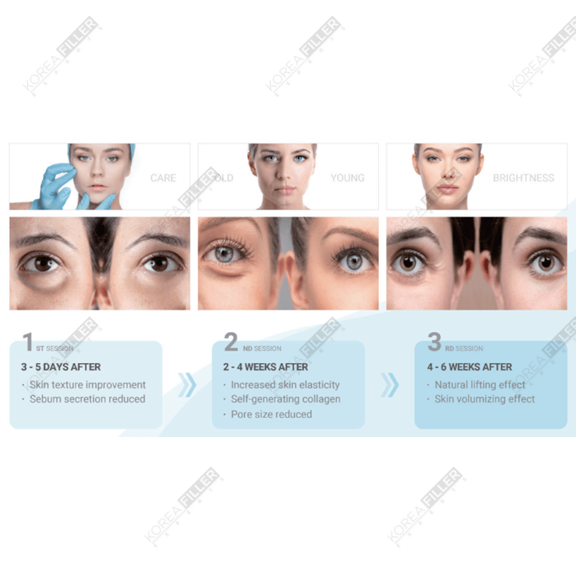
| Typical course | 3 sessions, 20–30 days apart |
| Maintenance (listing) | Every 3–6 months |
| Origin | South Korea |
| Manufacturer | As stated on the carton |
| SKU | 08001 |
Before you order
- Check the lot number and expiry on the carton against the syringe.
- We do not dispatch stock with under 6 months of shelf life remaining unless agreed in advance.
- Store as stated on the carton. Do not freeze, and protect from light.
- Regulatory classification differs between markets. Confirm what applies where you practise.
Tiered pricing applies from 5 units.
What each component does
Composition
Polynucleotide is the main active. Product information we hold lists PN in an isotonic saline base. A shorter product description elsewhere mentions peptides, hyaluronic acid and niacinamide, but we cannot confirm them, so we do not claim them. Check the carton for the definitive composition.
The PN concentration is given in distributor listings as 1% (10 mg/mL). A few listings quote 20 mg/mL or 2 mg/mL, which do not match 1%, so refer to the carton.
Three kinds of dark circle, and which one a skin booster helps
- Vascular — blue-purple show-through of vessels beneath thin skin. Stretching the skin gently makes it fade. Improving skin density can reduce translucency, so this is where a periorbital booster is most likely to help.
- Pigmented — melanin in the skin, which does not change with lighting or position. A polynucleotide booster does not address pigment.
- Structural — shadow from tear-trough hollowing, which changes with lighting angle and improves when the patient lies back. No booster fills a hollow.
Most patients have a mixture. Establishing the proportions at consultation keeps the plan honest.
PN and fish allergy
The active is purified from salmon DNA. Purification removes protein, but ask about fish allergy and treat a stated allergy as a reason for caution.
How it works
Polynucleotides are purified DNA polymers, in this case from salmon. Published work on the category describes two actions: a signalling effect, thought to involve adenosine A2A receptor activation, that supports fibroblast activity and the skin’s own matrix production; and a scaffold effect, in which the polymer holds water in the dermis.
In thin periorbital skin, increasing dermal density can make the skin less translucent, which is why a booster may help vascular dark circles. We found no independent peer-reviewed trial of this specific product, so results should be described as gradual and variable.
How Ami Eyes is used
Reference information for practitioners trained in periorbital injection. This is the least forgiving area on the face. The manufacturer’s instructions for use and training take precedence over this page.
Step by step
-
Establish the cause of the dark circle
Stretch the skin gently: vascular circles fade. Recline the patient: structural shadow improves. Pigment does neither. Treat what a booster can address and say what it cannot.
-
Plan anaesthesia
Topical anaesthetic with adequate dwell time, applied carefully clear of the eye itself.
-
Cleanse and remove all make-up
Thorough antisepsis. Eye make-up must be fully removed before any entry point is made.
-
Inject superficially in small aliquots
Distributor guidance cites a 30G × 13 mm needle or a multi-needle device and 6 to 10 points under each eye. Place small, evenly spaced intradermal deposits. Thin skin conceals nothing.
-
Stay within the safe zone
Keep clear of the orbital rim and work away from the globe. Know the periorbital vascular anatomy before you inject.
-
Follow the course
The listed course is three sessions 20 to 30 days apart, with maintenance every 3 to 6 months. Follow the manufacturer’s instructions and review the response.
Administration notes
Consultation decides the outcome. A patient with predominantly structural or pigmented dark circles will see little from a polynucleotide booster, however well it is placed.
Bruising here is prominent and slow. Periorbital bruising can take seven to ten days to clear. Patients should know before treatment, not after.
- Single use. One syringe, one patient. Discard any remainder.
- Ask directly about fish allergy.
- Do not treat over active infection, blepharitis or inflamed eyelid skin.
- Dispose of needles into a sharps container in line with local clinical waste rules.
After treatment
- Small papules, redness, swelling and bruising are common and may take several days to clear
- No touching, rubbing or make-up on the treated area for 12 to 24 hours
- Avoid direct sun, saunas and intense exercise for 48 hours
- Skip acids and exfoliants for one week
- Any visual disturbance, severe pain or spreading redness needs same-day assessment
Storing and handling Ami Eyes
Store as stated on the carton and in the manufacturer’s insert, protected from light. Do not freeze.
Check the syringe, seal and expiry. Do not use a syringe that is damaged, discoloured or contains visible particles.
Single patient, single session. Do not retain or reuse a partly used syringe.
Do not use if the packaging is damaged or the expiry date has passed. Dispose of used syringes and needles as clinical waste in line with local requirements.
What's included with Ami Eyes
Needles and topical anaesthetic are not supplied. Plan three syringes per patient for a full course.
Ami Eyes — frequently asked questions
What is Ami Eyes?
A Korean-made skin booster for the under-eye area whose main active is purified salmon-derived polynucleotide (PN/PDRN), supplied as a 2 mL prefilled syringe.
What concentration is the polynucleotide?
Distributor listings give 1%, which is 10 mg/mL. A few listings quote 20 mg/mL or 2 mg/mL, which do not match 1%. Check the carton for the definitive figure.
Will it get rid of dark circles?
That depends on the cause. A booster is most likely to help with vascular dark circles, where thin skin lets vessels show through. It does not address pigmented circles and does not fill the hollows that cause structural shadow.
How does it work?
Polynucleotide products are described as supporting fibroblast activity and the skin’s own matrix production, and as holding water in the dermis. We found no independent peer-reviewed trial of this specific product, so results should be described as gradual and variable.
How many sessions are needed?
The listed course is three sessions, 20 to 30 days apart, with maintenance every 3 to 6 months.
How soon will patients see a result?
Improvement builds over the course. We do not promise visible change within days. Plan a review after the third session.
Can it be combined with other treatments?
Clinics often pair it with hyaluronic-acid boosters, toxin or tear-trough filler, usually at separate appointments. Sequencing is a clinical decision.
Is it safe for patients with fish allergy?
Ask directly. The active is purified from salmon DNA, and a stated fish allergy is a reason for caution and a conversation, not an assumption.
Who can buy and use this product?
Injectable products are for administration by licensed healthcare practitioners. Periorbital work needs specific training in that anatomy. We supply qualified professionals and do not sell to consumers.
Customer Reviews
Share your experience with this product. Your honest review helps other customers make better choices.
- Sort By
- Newest
- Oldest
- Highest Rating
- Lowest Rating
Arrived earlier than I expected and everything was in excellent condition. Would shop here again.
A reasonable price for something I've been wanting to test. Happy with the purchase.
A good option for adding variety to our under-eye treatment menu. Happy with the purchase.
Reasonably priced and worth considering. I'd give it another try.
Finally tried this after having it on my list forever. For the price, I'm impressed.

Copyright 2026 © Korea Filler Experts. All right reserved.
